Stores



Early spring is usually a soft launch of good weather before it truly sticks around. It’s a few days of sunshine, but then it hits you with wind, mud, and a temperature drop the second you’re committed. Which is why your early spring hiking gear matters more than you might think.
The move is to be prepared for a hike without overpacking but packing smart with adaptable layers, lightweight carry, and just enough contingency planning to keep things enjoyable if conditions shift. And if the sun stays out? Well, that’s just gravy.
What Should You Pack in Your Daypack for Spring Hikes?
A well-packed bag is the difference between a relaxed day outdoors and a long, uncomfortable slog back to the car.
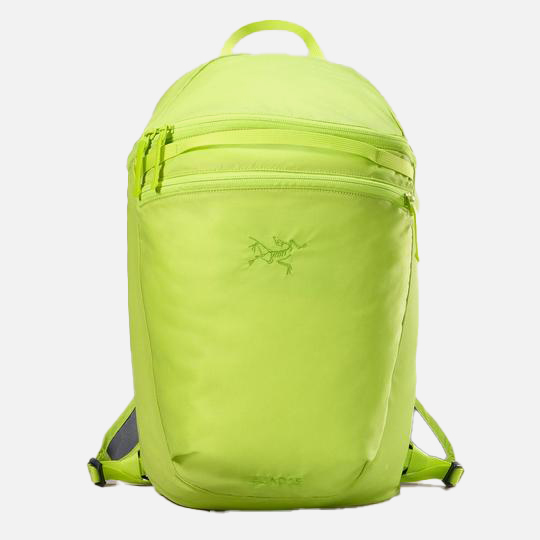
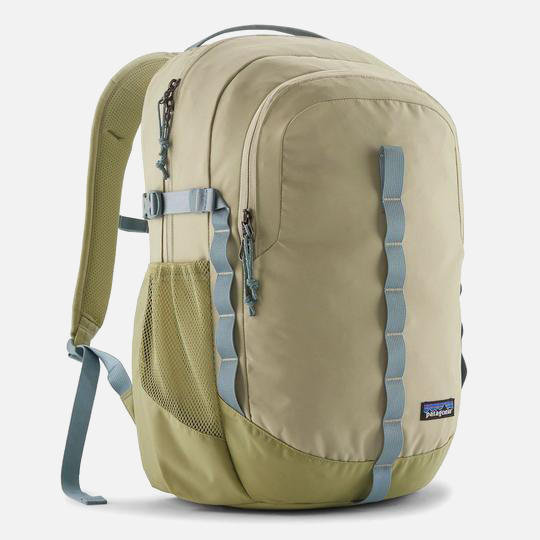
Stick to a lightweight daypack in that 15–25L range—enough room for the essentials, without packing for a full expedition. From there:
- Water bottle: Something functional and easy to grab, like an Owala water bottle—no fuss, no leaking.
- Snacks: Salt matters more than you think. This is where GORP comes in…as in Good Old Raisins and Peanuts. Trail mix, bars, whatever keeps you moving without stopping too long.
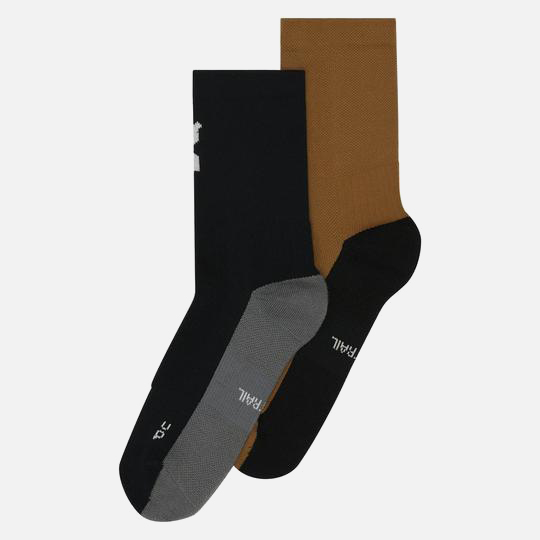
- Extra socks: Quiet luxury, honestly. Dry feet can reset your entire mood
- Compact first-aid kit
- Navigation basics: Even if you’re just following the trail, it’s not a bad idea

How to Master the Hiking Layering System?
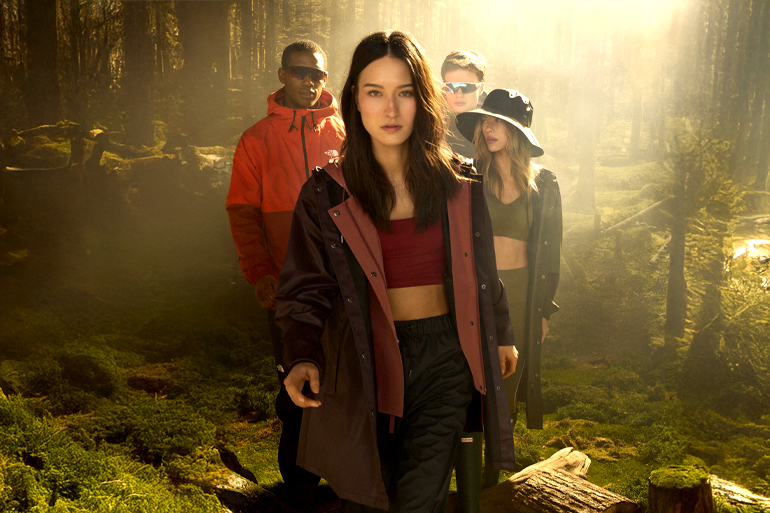
Spring hiking lives and dies by your layering system. Temperatures can swing wildly depending on time of day, elevation, and wind exposure.
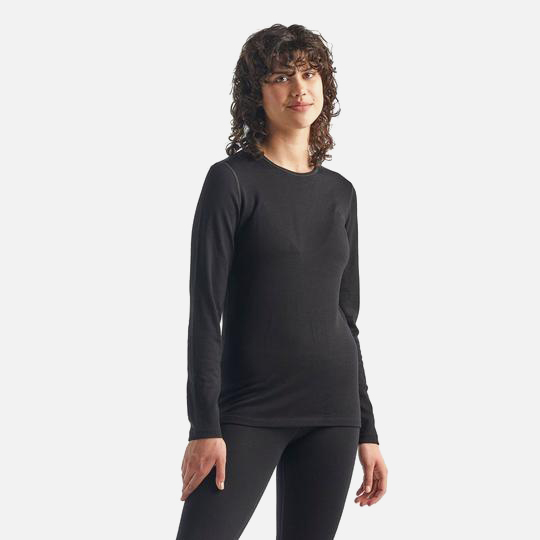
Moisture-Wicking Base Layers
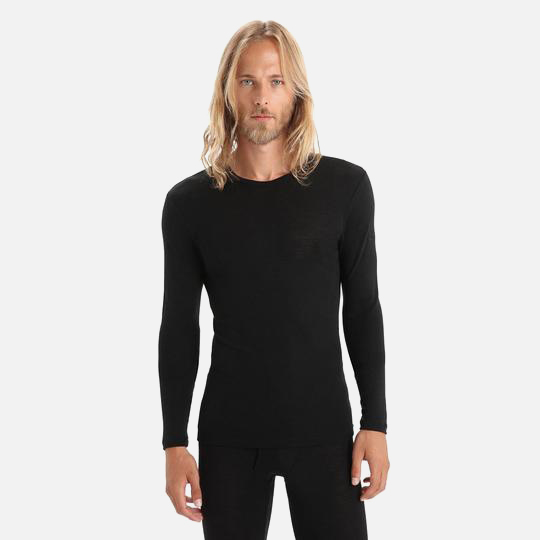
Start with a moisture-wicking base layer. This is your foundation—something breathable that pulls sweat away from your skin to keep you dry. Look for lightweight merino wool or technical synthetics. Cotton is best avoided here; once it’s wet, it stays wet.
Insulating Mid-Layers
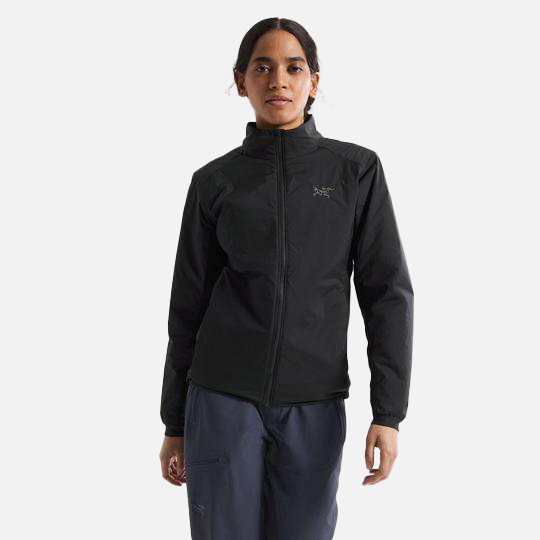
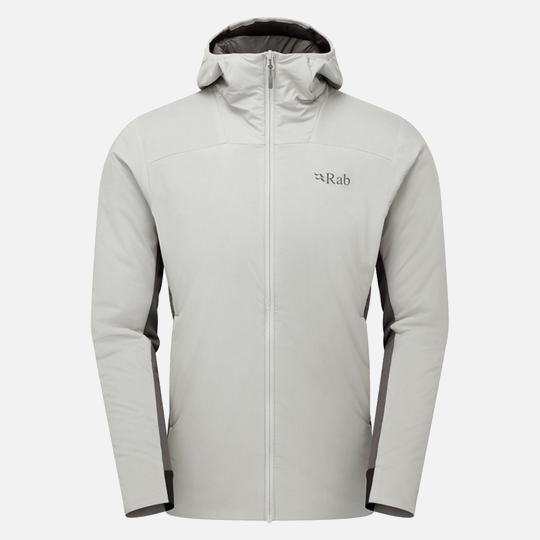
Your mid-layer is the piece you’ll constantly negotiate with. Too warm going uphill, not warm enough when you stop. A lightweight fleece or packable insulated jacket usually gets it right. Easy on, easy off, easy to forget about when it’s in your bag.
Outer Layers for Wind and Rain
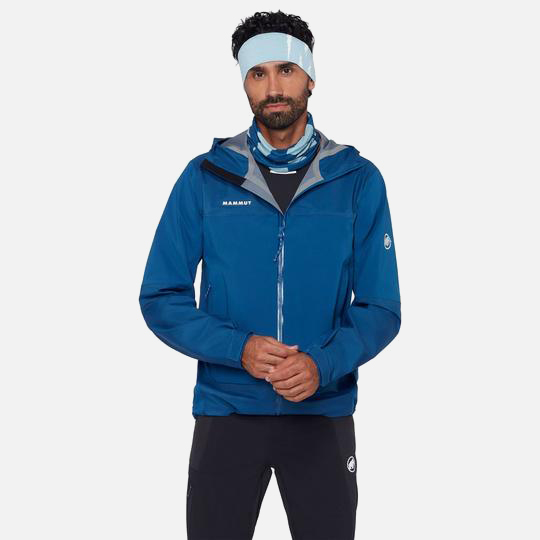
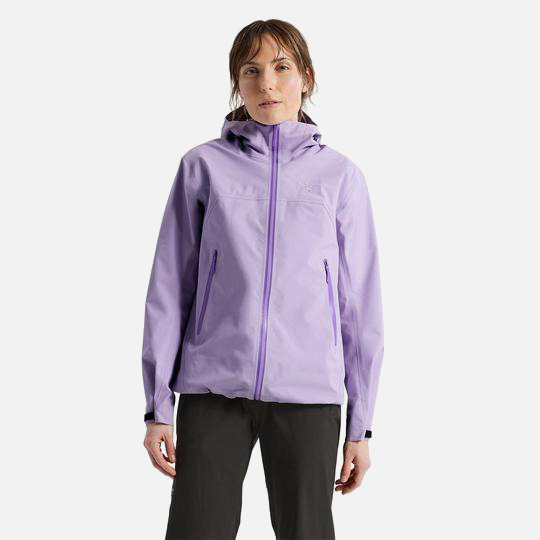
An early spring hike without a shell is a gamble that doesn’t always pay off. A lightweight, waterproof jacket—something breathable, something packable—is non-negotiable. You might not need it, but when you do, you really do.
Spring Hiking Footwear
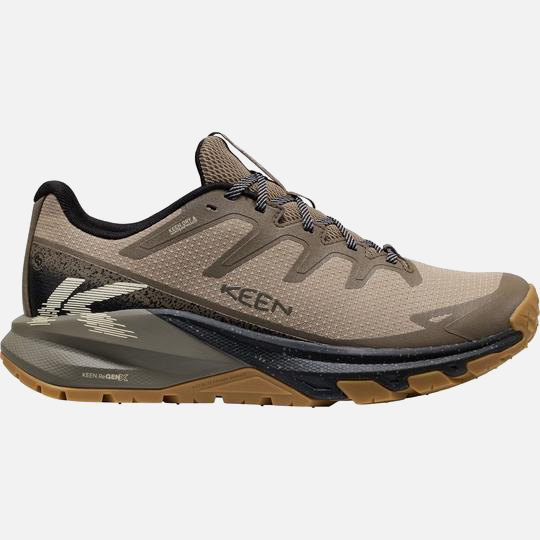
What’s happening below the ankle will determine if your spring hike is a success or not. You need something to handle puddles, mud, wet rock, soft ground, all of it. Something like the Keen Targhee Apex Waterproof Hiking Shoes hits a nice middle ground: lighter and quicker than old-school hikers, but still with that roomy fit, grip, and waterproof protection when the trail gets sloppy.
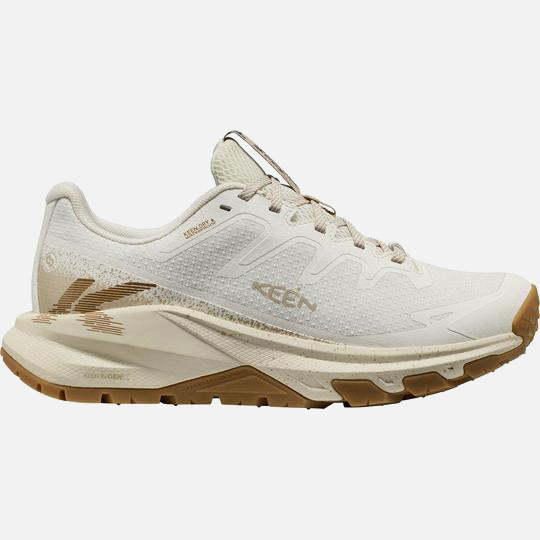
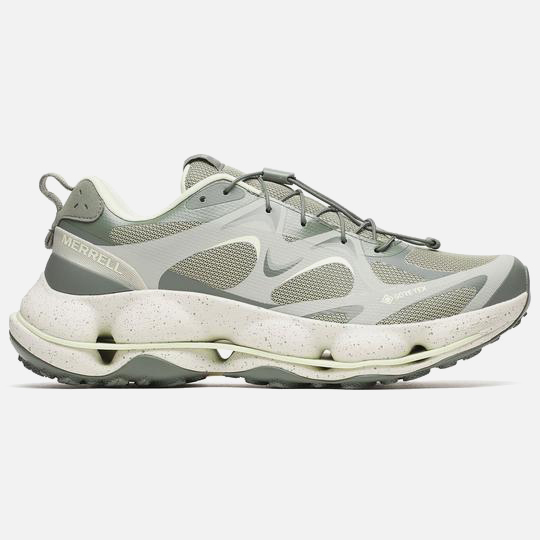
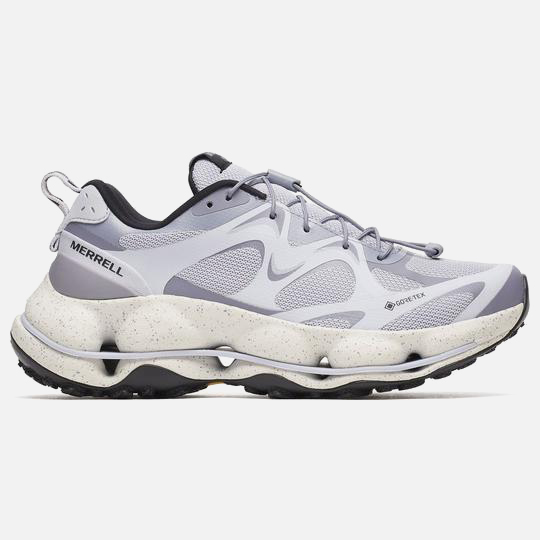
Another solid option is Merrell’s SpeedArc Matis GTX Hiking Shoe, which comes complete with Gore-Tex baked in for wet conditions and quick movement. Either way, the goal is the same: traction, some level of water resistance, and enough comfort that you’re not thinking about your feet by the third kilometre.