Stores



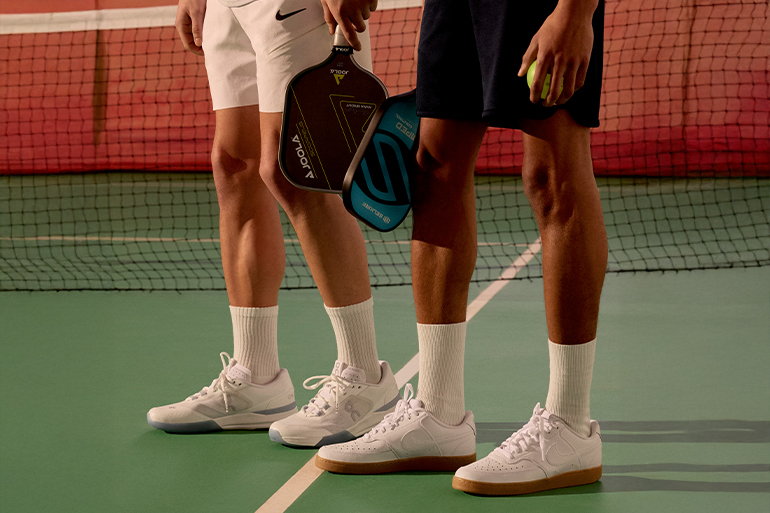
At a glance, pickleball and tennis shoes look like the same thing: both built for racquet sports, both designed for hard courts, both promising grip and stability. And despite all the light chirping between the players of the two sports, the shoes aren’t really in competition. They’re just built for slightly different ways of moving. Once you’re actually cutting side to side, stopping short, chasing balls—the differences start to show.
If you’re playing regularly, the right shoe means better control, fewer close calls, and a game that feels a lot smoother underfoot.
What Makes a Great Court Shoe?
A proper court shoe, whether for tennis or pickleball, is designed for multi-directional movement. That means quick lateral cuts, short sprints, sudden stops, and plenty of pivoting. This is where court shoes differ from forward-motion running or training shoes (more on this below).
The key features to look for:
- Lateral support to keep your foot stable during side-to-side movement
- Durable outsoles that can handle abrasive court surfaces
- Low-to-the-ground feel for balance and control. A springy, high-soled Hoka, for instance, won’t do you any favours
- Reinforced uppers to prevent rolling anything during quick direction changes
Pickleball vs Tennis Shoes: What’s the Real Difference?
The short answer is that they’re more similar than different. But there are small details that do factor in.
Tennis Shoes
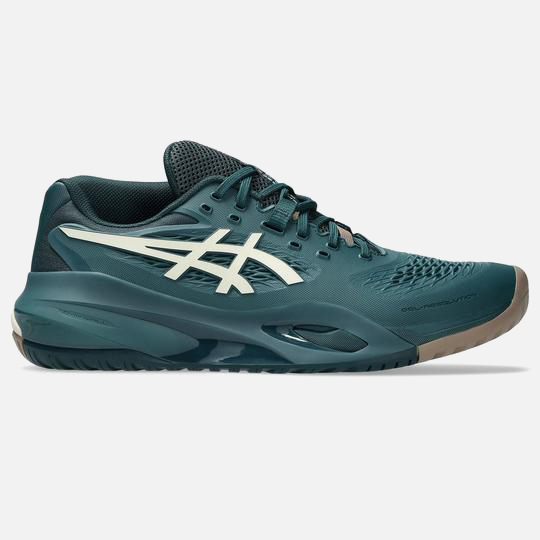
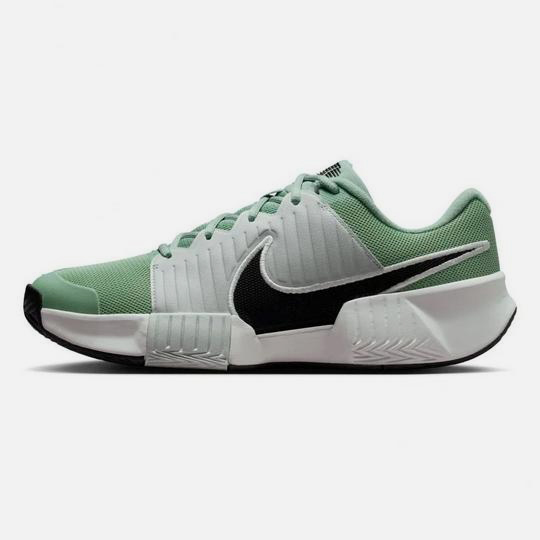
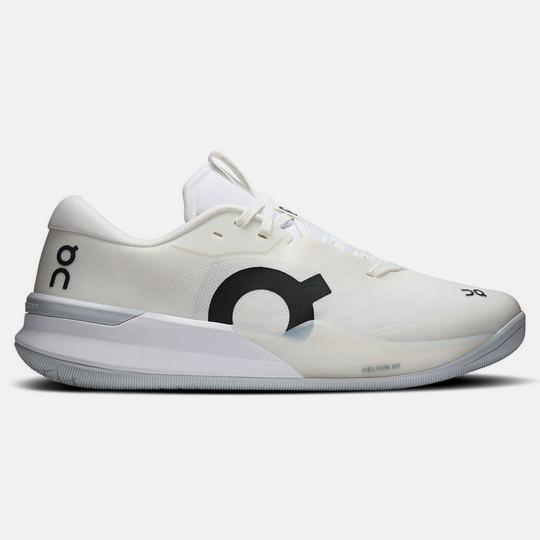
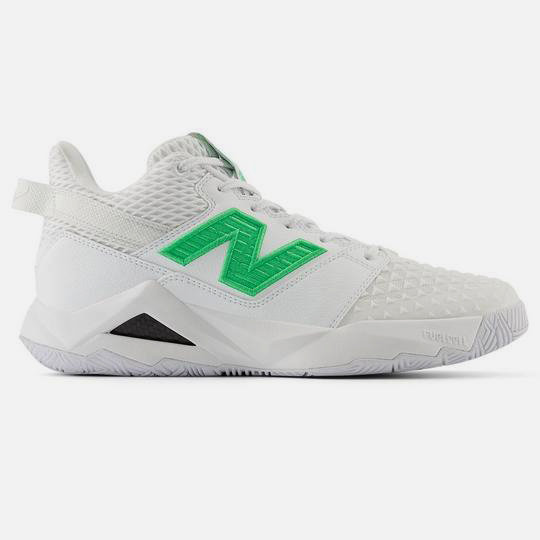
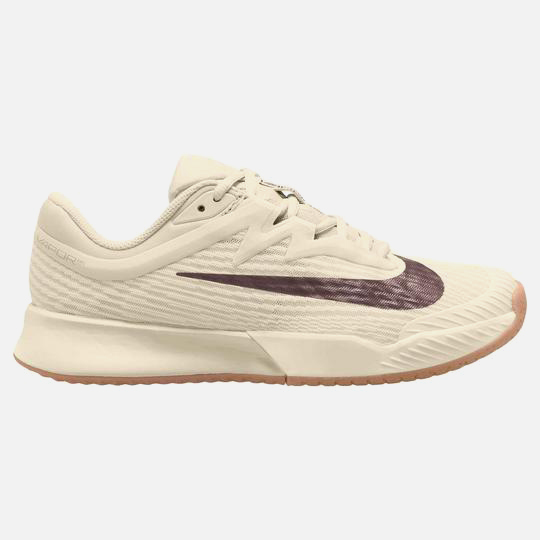
Tennis shoes are built for more ground, more impact, and more repetition, which is why they tend to feel more structured and durable underfoot. Models like the On THE ROGER Advantage Tennis Shoe, the New Balance Coco CG2, and options from Nike like the Nike GP Challenge Pro and Nike Vapor Pro 3 reflect that.
Across the board, you’re getting tougher outsoles built to handle longer rallies, reinforced uppers that can take a beating during aggressive movement, and a more locked-in, stable feel designed for hard cuts and extended play.
Pickleball Shoes
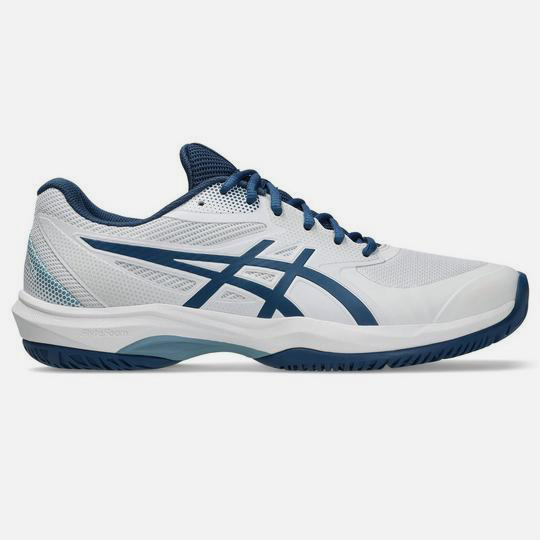
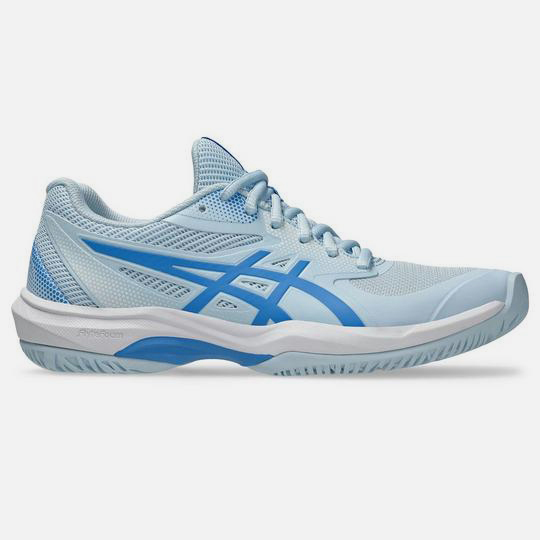
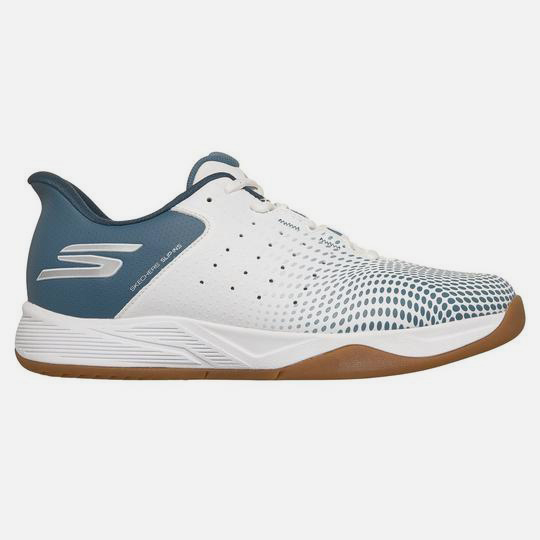
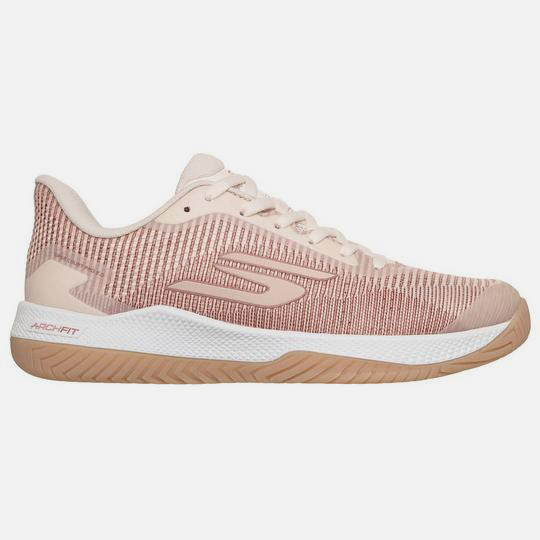
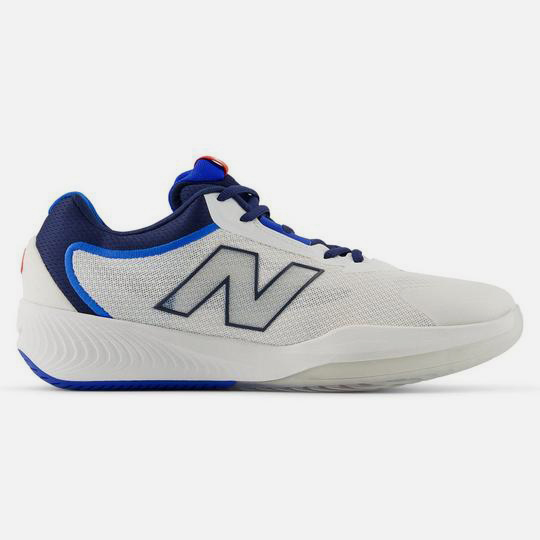
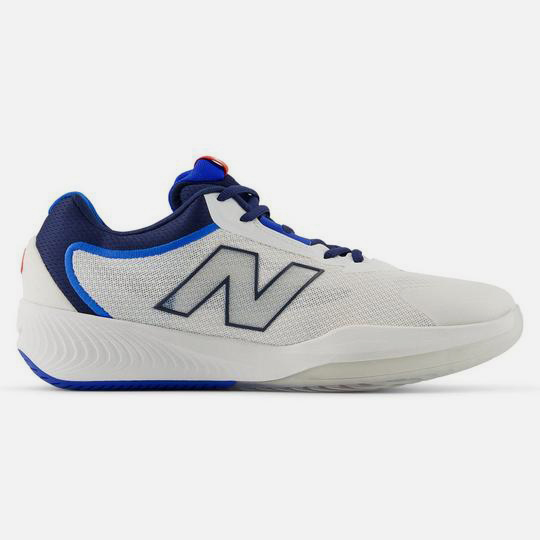
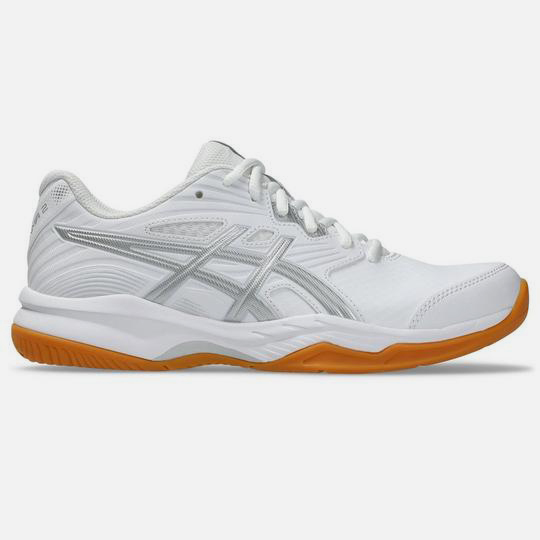
Pickleball shoes today are essentially a lighter, more agile evolution of traditional tennis and court shoes, and models like the ASICS GEL-GAME™ FF and New Balance FuelCell 996 Pickleball Shoes are good examples.
They’re built to feel a bit quicker and more responsive, with breathable uppers, streamlined cushioning, and enough structure to handle the constant stop-start, side-to-side movement the sport demands. Compared to tennis shoes—which tend to be heavier, more reinforced, and built for longer rallies on a bigger court—pickleball shoes prioritize comfort, speed, and ease of movement, making them a more natural fit for the pace and scale of the game.
Can You Just Wear Running Shoes for Tennis or Pickleball?
It’s really not advisable. Running shoes are specifically built for forward motion. That means they prioritize cushioning and propulsion in a straight line, not stability when moving side to side.
Lateral support is why court shoes are their own category and what keeps your foot from sliding off the footbed when you cut side to side. This means there’s a wider construction at the base of the shoe, along with structured uppers that lock your foot in place.
The Danger of Forward-Motion Shoes on the Court
Running shoes lack the fundamentals that make proper court footwear work: lateral support, stable and relatively flat outsoles, and reinforced sidewalls to keep your foot contained. You’re more prone to ankle rolls, slipping through lateral cuts, and losing control when you try to stop on a dime.
Indoor vs. Outdoor Court Shoes
It’s an easy detail to overlook, but where you’re playing matters just as much as what you’re playing in. The outsole of your court shoe should match the environment. The wrong choice won’t just affect grip, it can shorten the life of your shoes pretty quickly.
Tread carefully. Literally.
Indoor Court Shoes
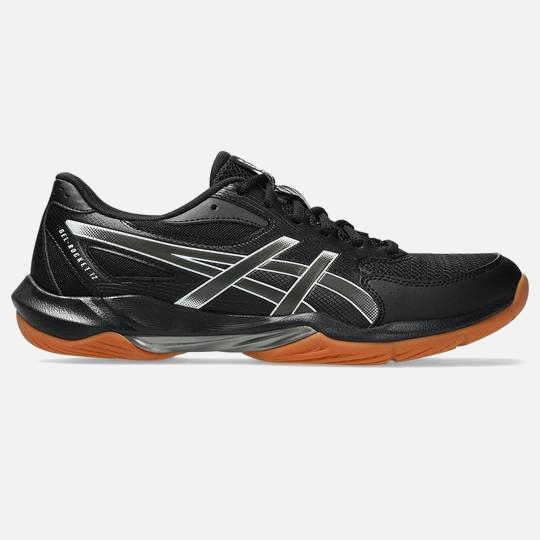
Indoor court shoes are built for smooth, controlled surfaces. They typically use softer gum rubber soles that deliver maximum grip without marking the floor, which is why you’ll see them across sports like squash, volleyball, and, yes, indoor pickleball. They feel tacky underfoot and give you that confident stop and start.
Outdoor Court Shoes
Outdoor courts are a different story. Asphalt and concrete are far more abrasive, so shoes designed for outdoor pickleball use harder rubber compounds and more durable tread patterns to handle the wear. They’re built to last longer and maintain traction.
So, Which Do You Need?
It comes down to what and where you play. Obviously, if you’re a regular pickleball player, go for a pickleball shoe (although a lighter tennis shoe will also work). If you’re a tennis player, go for a tennis shoe.
But if you enjoy both sports, a versatile tennis shoe is probably the safest bet. If you’re just starting out, any court shoe will be a big upgrade from your regular running shoes.